Our best idea is almost always what we took out.
On every product we make, the breakthrough was never a feature we added. It was something we removed, and a number proving it had to go.
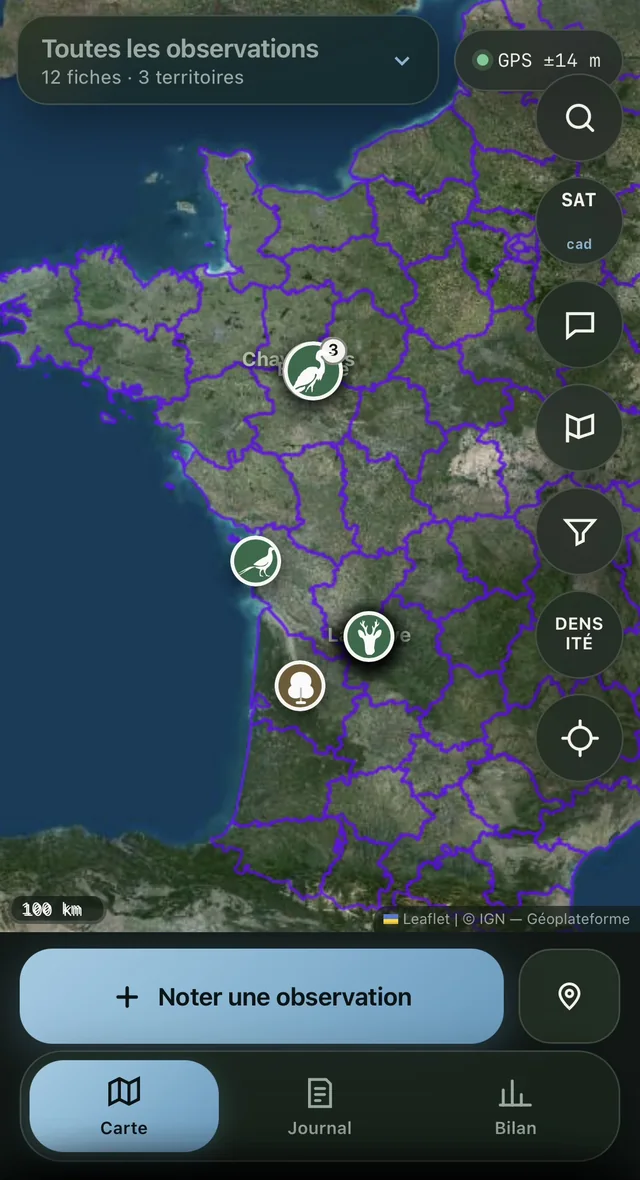
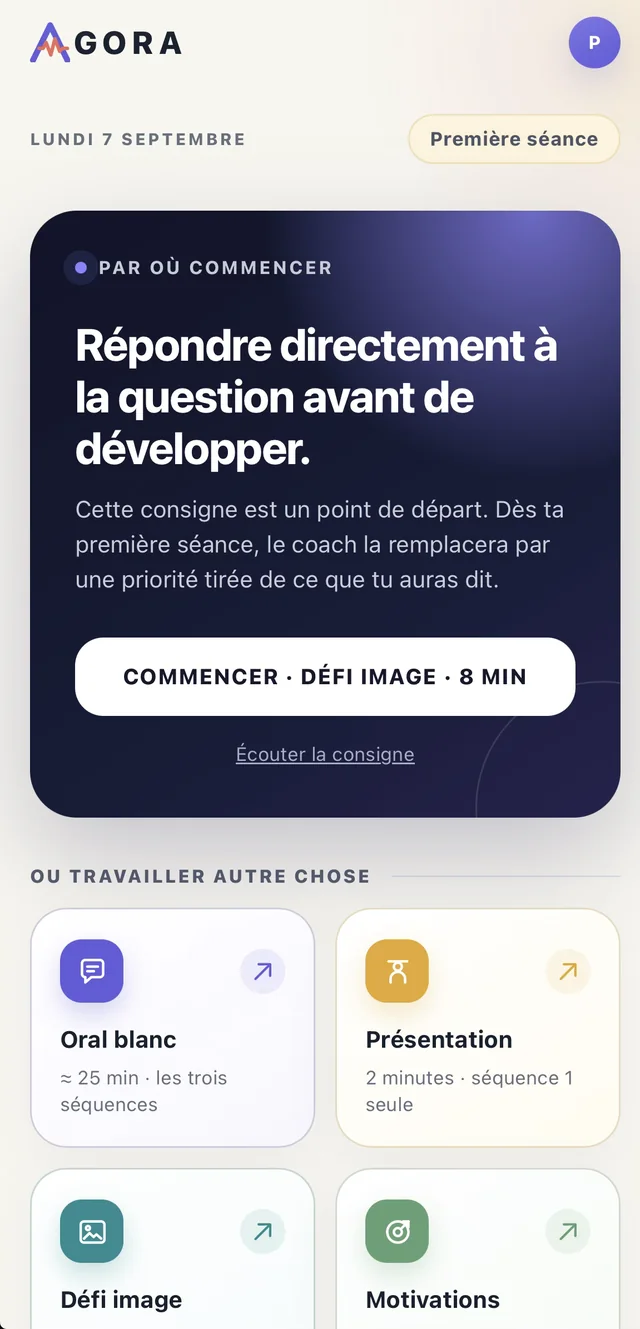
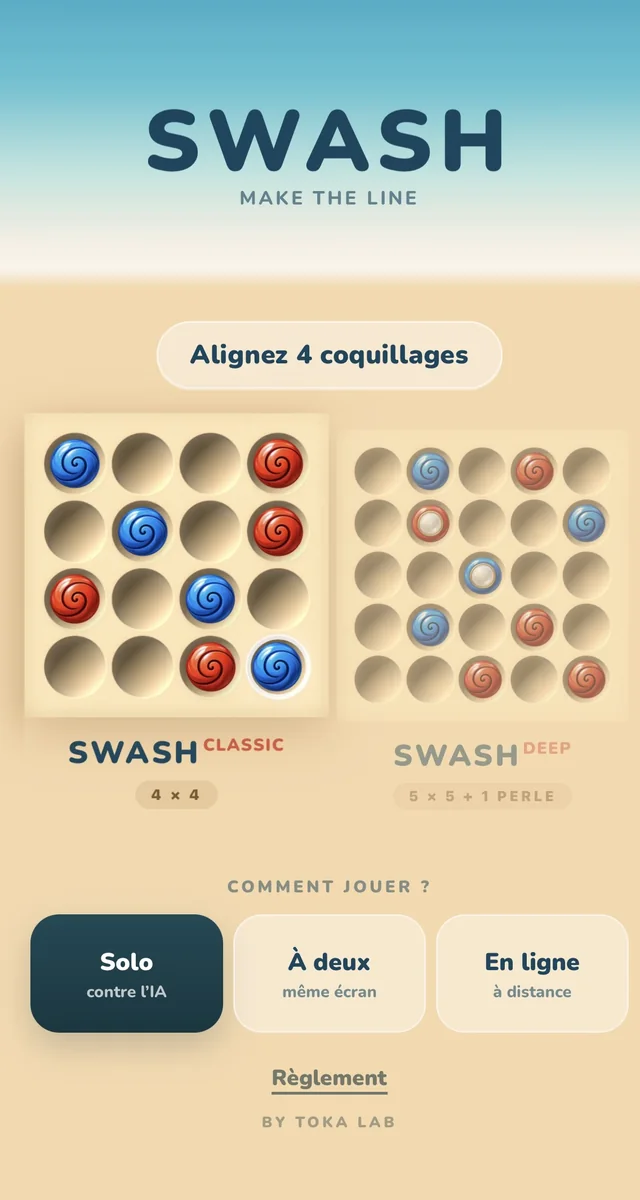
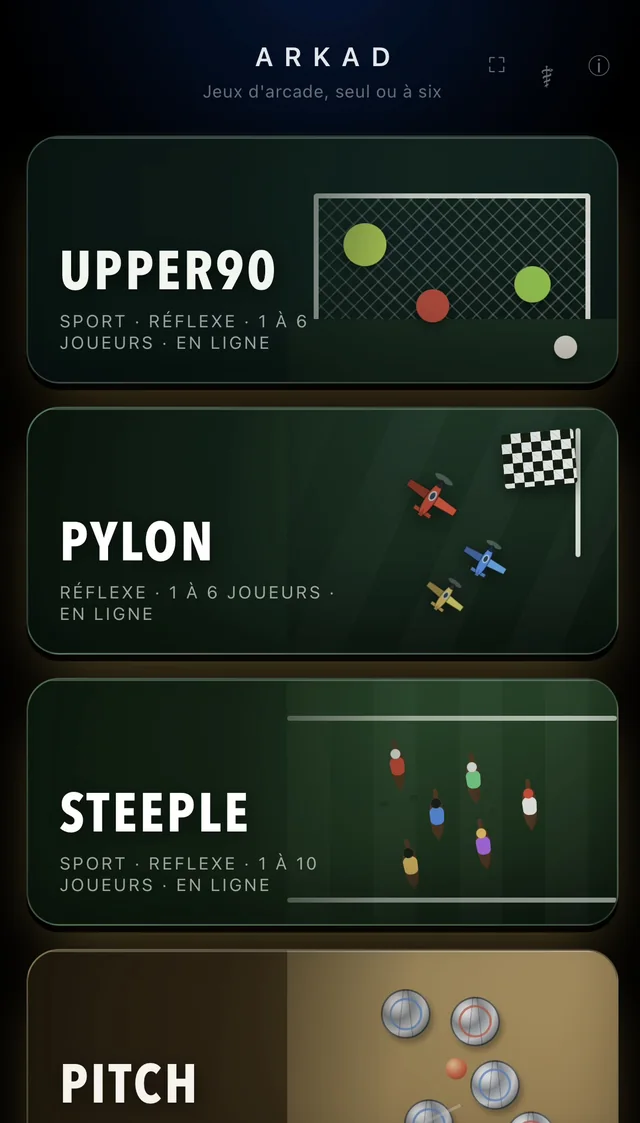
Six products, six things fewer
Five fields with nothing in common, and the same move every time.
What we tried, and why it didn't stay
Free placement of pieces. A full trajectory preview. A cap on bounces. More shots for expert players. A clock increment. A tenth arcade game.
Every one of these looked good on paper. Free placement decided the game before the first move. The trajectory preview let you sweep through angles until the line touched the target, which solved the game without thinking. Capping bounces removed the whole point of the game — each bounce now costs energy instead.
Giving experts more shots was simply backwards: expert courses aren't harder, the players are better, so par now tightens as you improve. A three-second increment per move handed the computer an advantage it hadn't earned. And the tenth arcade game works fine — it just isn't as good as the other nine.
We remove nothing without proving it first
Removing is easy; proving something has to go is expensive. Every removal rests on a measurement.
Five stages, never out of order
A stage doesn't open until the one before it is closed.
Rules
Written out in full, edge cases included: deadlock, repetition, draws, running out of time.
Validation
Balance measured across thousands of games, exact solving where the size allows it.
Visuals
Final and approved before a single interface is built.
Interface
Built once, on those visuals. Never twice.
Integration
Engine, network, release — then nine automated checks, any one of which blocks delivery.
And six things we'll never add
- Advertising
No banners, no video breaks, no rewards for watching.
- Hidden purchases
Nothing essential sits behind a payment.
- Mandatory accounts
Online play included. No personal data collected.
- Tutorials
If a product needs a manual, it's asking too much.
- A network requirement
The field has no signal, and neither does the train.
- A product we don't like
A prototype stays out of the catalogue until it's good enough.
Easiest thing is to try one
The games run in your browser, free. The apps are in the catalogue.